
What Is Therapy Anyway?
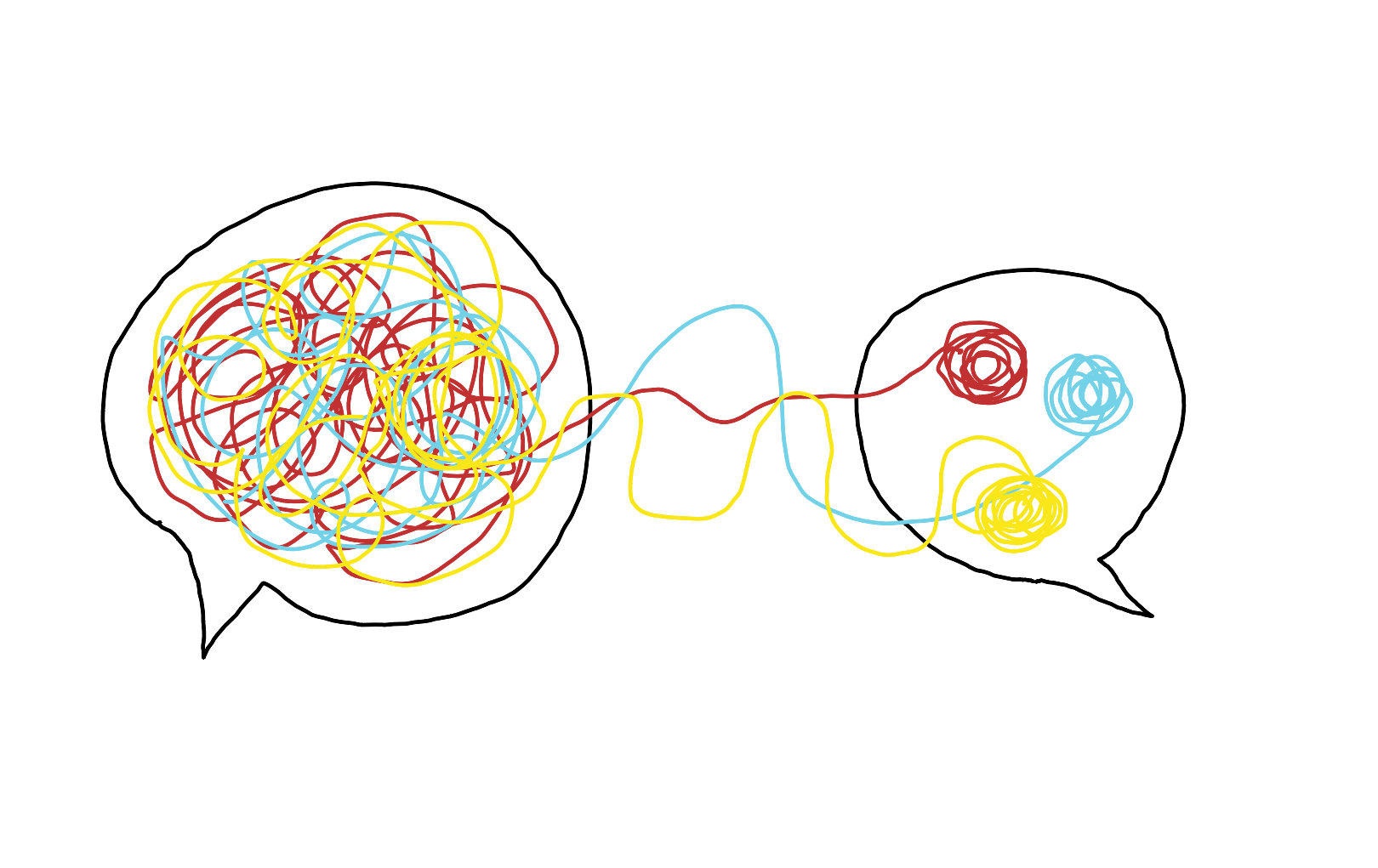
People's ideas about therapy, if they've never experienced it themselves, are usually formed through television, films and popular culture.
We have a collection of therapists in our heads, from Robin Williams in Good Will Hunting to Dr Melfi in The Sopranos. We watch one person talking about their life while another person (the one wearing glasses and bland clothes) nods and occasionally says something a bit cryptic or profound.
If that's your only exposure to therapy, it's understandable that you might have some assumptions about what therapy is and what it is for.
What's interesting to me, though, is that we don't tend to do this with other professions we don't have any first-hand experience with, do we?
We don't watch a television programme that has a dentist character in it and then feel unsure about the entire profession, probably because most of us have been seeing dentists since we were little people.
We don't generally sit around debating whether plumbers are necessary because many of us have unfortunately had to emergency call one to deal with a panic-inducing pipe disaster.
Yet therapy and therapists seem to attract a particular kind of scepticism. Perhaps because the work is less visible and largely unknown to those who haven't experienced it themselves. We can't see emotional wounds in the same way we can see a broken arm. Or perhaps because, unlike physical health, many of us were never taught that our mental and emotional health required care and attention in the first place.
That said, I do think television and film have done a much better job in recent years of demystifying therapy and reducing some of the stigma surrounding mental health struggles.
Even so, therapy remains a strange thing to explain because, from the outside, it can look like very little is happening. There’s a private conversation that happens with someone you don’t know much about and you talk mostly about yourself. Based on the type of therapy, you may be given some tools/homework/other bits and pieces…
Yet underneath that seemingly simple exchange, something much deeper is taking place.
The best way I can describe therapy is that it creates a space to explore the complexities of being human and process what is unprocessed that’s causing you some difficulties. These difficultes are showing up as symptoms, affecting our relationships and quality of life.
The things that have happened to us, the stories we've told ourselves about those experiences, the beliefs we've developed, the ways we've learned to protect ourselves and the patterns we keep repeating without always understanding why.
It's a place to process what's happened and how we're showing up in the here and now.
Many of us have spent years tying ourselves into psychological knots. Therapy offers an opportunity to begin gently unravelling some of those knots with care, compassion and curiosity.
So Why Do People Come To Therapy?
People often assume that therapy is only for major crises, but that's not always the case.
Sometimes people come because something significant has happened. A bereavement. A breakup. A difficult relationship. Burnout. A health diagnosis. A major life transition. The loss of a loved one, a job, a relationship or even a version of themselves.
Sometimes people come because they're feeling anxious, overwhelmed, lost or stuck and can't quite put their finger on why.
And sometimes people come because, on paper, everything looks absolutely fine.
They have the job, the relationship, the family, the home or the life they thought they wanted, yet something still doesn't feel right.
The reality is that many of us spend years managing our emotional wounds on our own. We distract ourselves. We keep busy. We throw ourselves into work. We focus on everyone else. We tell ourselves we'll deal with it later.
And often, those strategies work for a while.
Until they just… don't.
Therapy isn't necessarily about waiting until you're falling apart. Sometimes it's about recognising that you've been carrying something on your own for a very long time and deciding that perhaps you don't have to do that anymore.
What Do People Expect Therapy To Be Like?
"One second, let me just go and find my magic wand..."
One of the challenges is that many people arrive with expectations about what therapy is going to be like. They may expect quick fixes, practical advice, dramatic breakthroughs or a clear roadmap showing them exactly how to feel better.
Whilst some of that can happen, therapy is rarely a straight line and it is almost never an overnight process.
Therapy can sometimes include practical tools, coping strategies and new ways of understanding yourself. More often, though, it can feel slow, frustrating, repetitive, uncomfortable and occasionally confusing.
Sometimes it feels boring.
Sometimes it feels like a major breakthrough.
Sometimes it feels like absolutely nothing is happening at all until one day you realise you've responded differently to something that would once have completely overwhelmed you.
What Happens In A First Therapy Session?
One of the most common questions people have is what actually happens in a first session.
The first session is an opportunity for us to get to know one another. I'll be curious about what has brought you to therapy, what is happening in your life right now and what you hope might be different as a result of the work.
There is no expectation that you tell your entire life story in the first meeting. Many people arrive feeling nervous, unsure of what to say or worried they'll say the wrong thing. That's completely normal.
And then?
From there, we simply start where you are. Together we begin building an understanding of what's going on and create a focus for the work.
Because I'm an Arts Psychotherapist and a Yoga Teacher, you may also be invited to use creative and body/breathing based approaches if they feel helpful. Sometimes words are not enough thought. Sometimes images, metaphors, writing or creative processes can help us explore things that are harder to put into words.
Does Therapy Actually Work?
I've experienced therapy from both sides of the room, as a therapist and as a client.
What I've learned is that therapy may not change your life in the dramatic way films sometimes suggest. More often, it changes your relationship with yourself. It helps you understand why you think, feel and behave the way you do and helps you cope with your life in a healthier way and make some necessary changes you may have been avoiding doing.
Whilst awareness isn't always comfortable, it often becomes the foundation upon which meaningful change is built.
There is no one-size-fits-all approach though.
Different therapeutic approaches work in different ways, and some therapists will be a better fit than others. What research consistently shows though is this:
It is that the relationship between therapist and client matters more than the modality of therapeutic intervention.
Feeling safe, understood and able to be yourself is one of the strongest predictors of positive outcomes.
I'm not a mechanic... ok, maybe I am?
As an Arts Psychotherapist, I work with metaphor a lot. I had a client once who shared that therapy felt a bit like taking your car to a mechanic.
You don't need to know exactly what's wrong before you arrive. You simply know or feel, that something doesn’t feel good, or isn't functioning in the way you'd like it to, or perhaps you've broken down altogether.
A good mechanic won't know everything immediately, but they’ll have the training and experience to help investigate what's happening under the bonnet. Therapy can be much the same. You don't need to arrive with all the answers. Often, people simply know that something doesn't feel quite right and would like support in understanding why and want things to change.
Many people become so accustomed to feeling anxious, overwhelmed, disconnected or unhappy that it simply becomes their everyday standard. But familiar doesn't always mean it’s healthy does it?
Just because something has been your norm for years, doesn't mean it has to remain that way.
If you've been considering therapy but feel unsure whether it's right for you, know that you don't need to have everything figured out before reaching out. Many people begin therapy with more questions than answers.
Sometimes that's exactly where the work begins.
If you’d like to chat more and have a free consultation about therapy with me and see if we’re a good fit, get in touch and we’ll go from there.
